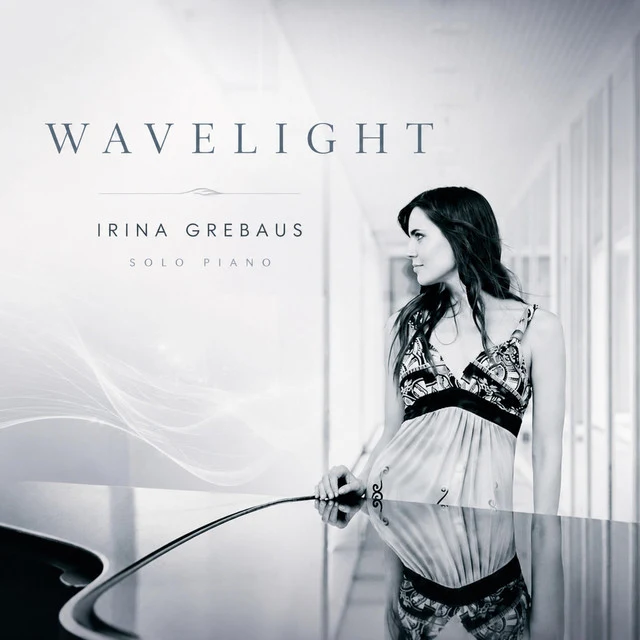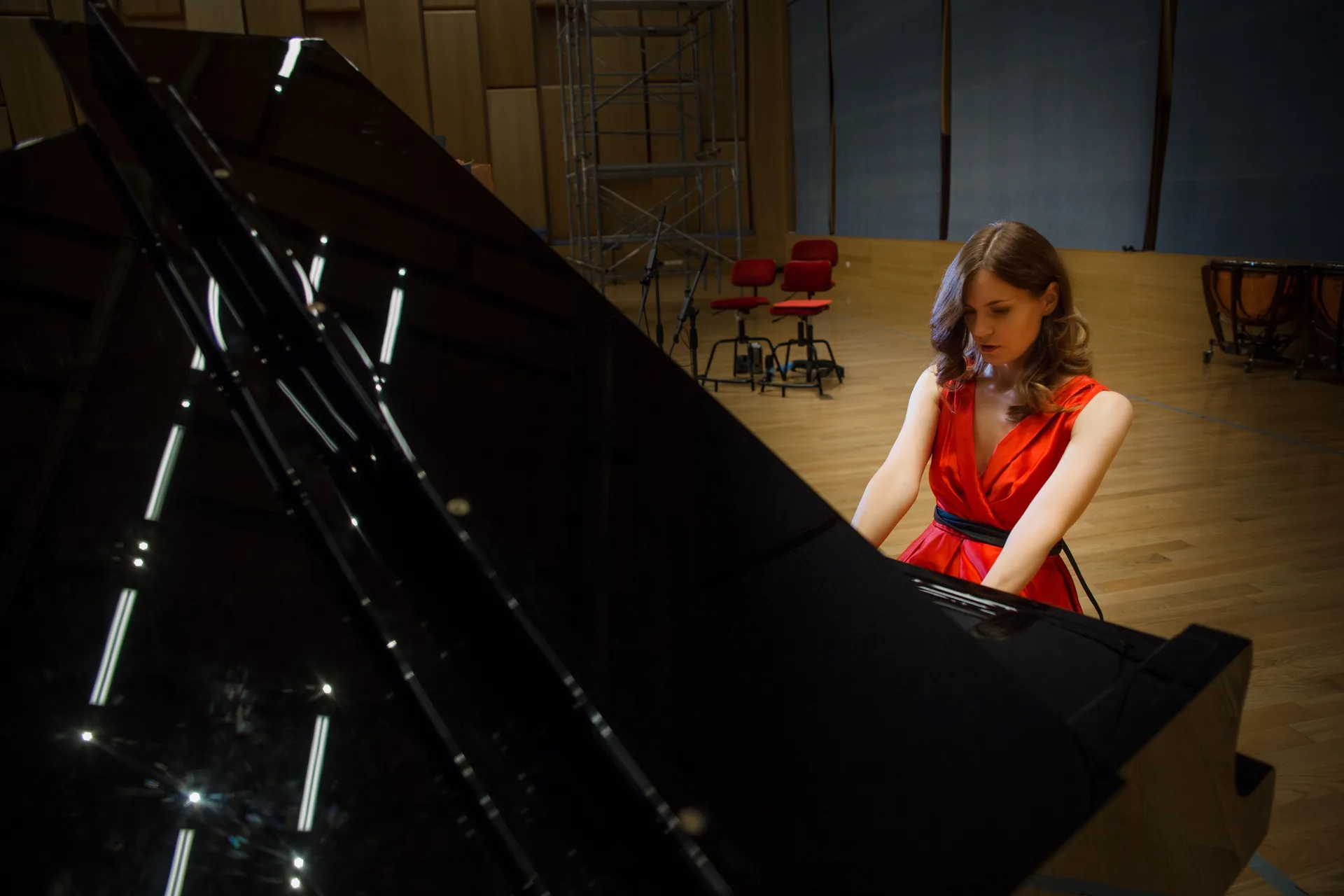
Choosing wedding piano music involves more than making a playlist. The instrument, the room and the purpose of each musical moment shape what guests hear. With Irina Grebaus, you can discuss solo piano, organ or SwissDuo with cellist Sandi Toka Nova. Begin with the character of your ceremony, then choose the formation that can serve it naturally.
Give each part of the day a musical purpose
An entrance gathers attention; a ceremony interlude creates a pause; an apéritif invites conversation. These moments do not need the same repertoire or volume. Write down where you want guests to listen closely and where music should leave room for voices.
A coherent programme can cross genres. A classical entrance, a personal film melody and a lighter exit need not feel disconnected when the transitions are prepared. Discuss the versions you enjoy, rather than choosing only titles. Tempo, length and arrangement change how a piece works in the room.
Choose solo piano for a self-contained musical voice
Solo piano can carry melody, harmony and rhythm within one instrument. That makes it a flexible starting point for a ceremony or a reception. The character can range from a simple, spacious arrangement to a fuller musical statement, depending on the occasion and the programme agreed with Irina.
The First Noël and Hallelujah on the Videos page let you hear different solo interpretations. They are listening examples, not a rule that every piece belongs at every wedding. For a reception, ask for a varied sequence rather than expecting one intimate ceremony piece to define a whole afternoon.
Consider organ when the venue makes it possible
Organ has a distinct presence and a close relationship with its building. If your ceremony takes place in a church with an available instrument, ask who authorises its use, when preparation is possible and where the musician will be positioned. The venue’s organ cannot be assumed available simply because it is visible.
The choice of piece also matters. An arrangement should suit the instrument and the acoustic, particularly when the room has a long resonance. Discuss solo organ or, where appropriate, SwissDuo with cello and organ as separate options from piano-based formations.
Add the dialogue of SwissDuo
With Sandi Toka Nova on cello, SwissDuo brings a second live voice to the programme. Piano and cello can share and exchange a melody, creating a different sense of breathing and response. Their repertoire spans classical music, film themes, pop and other styles through their own arrangements.
Choosing a duo is not simply choosing more volume. It is a musical choice about colour and interaction. Listen to SwissDuo recordings and tell the musicians which qualities appeal to you. Confirm the exact formation for each part of the day if the ceremony and reception use different instruments.
Plan the piano, space and practical details
Ask the venue whether its piano is in working order, when it was last serviced and who is responsible for tuning. If there is no suitable instrument, discuss an electronic piano in advance. An optional electronic grand piano is a separate arrangement and may involve an additional charge.
For outdoor music, provide shelter, a stable level surface, a safe power supply and an indoor alternative. Send Irina the date, place, schedule, guest number and preferred pieces through Contact. These details make it possible to discuss a realistic programme and equipment plan without guessing from a photograph.
Questions & answers
Do we need a grand piano at the venue?
Not necessarily. If no suitable piano is available, an electronic piano can be discussed. Confirm the instrument, logistics and any additional costs in the proposal.
Can piano and organ be used on the same day?
This can be discussed when the instruments, access and schedule allow it. Moving between spaces and preparation time need to be included in the plan.